







Search Results for: Wide-Mouth Cup
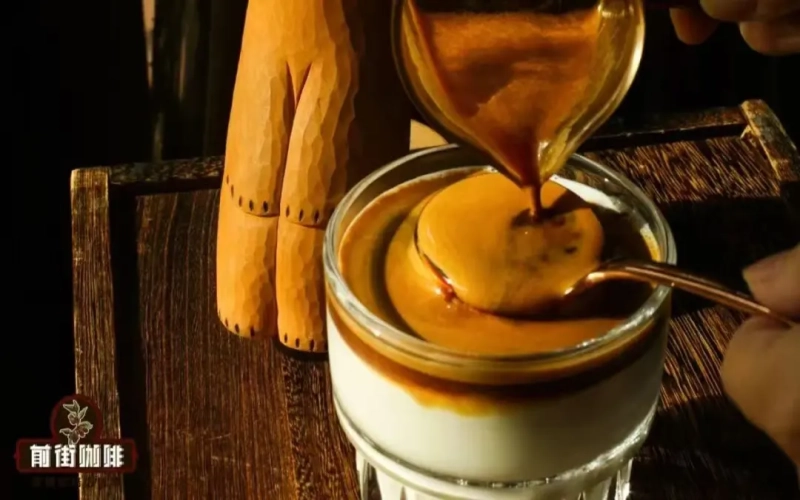
Why Dirty Coffee Doesn't Layer: Master Three Key Details to Make a Perfectly Layered Dirty Coffee
Dirty coffee may seem to require only two ingredients—milk and espresso—but the actual preparation hides a fair amount of know-how. Many people who try it at home often run into problems like no layering or overly blended flavors, and the result falls far short of what a coffee shop produces. In fact, as long as you avoid three common pitfalls—ignoring the layering, choosing the wrong cup, and adding ice blindly—you can easily make a Dirty with distinct layers and a strong contrast between hot and cold. Front Street Coffee will combine real brewing experience with a classic blend bean to break down the principles behind every detail and the correct methods, helping you make a dirty coffee even better than a café's. [more…]
A Detailed Guide to Four Coffee Brewing Methods: Operational Essentials for Siphon, French Press, Pour-Over Drip, and Cold Brew Iced Coffee
To brew a cup of coffee with rich layers of flavor at home, choosing the right equipment and mastering the correct technique are equally crucial. This article systematically introduces four mainstream coffee brewing methods—the siphon (vacuum) coffee maker, the French press, the paper-filter pour-over dripper, and cold-water iced coffee—breaking down each one's equipment features, suitable grind size, coffee-to-water ratio, and detailed operating steps, along with practical tips. Whether you are a coffee enthusiast just starting out or an advanced player hoping to refine your technique, you will find a brewing method that suits you. The article also specifically recommends related products from Front Street Coffee to help you start your home coffee journey more easily. [more…]

How the material, thickness, and shape of a coffee cup shape the drinking experience and flavor perception
Have you also collected a bunch of exquisite and good-looking coffee cups, yet always find yourself unsure which one to pick when brewing coffee? In fact, the material, thickness, and rim shape of a cup each have their own nuances. Although they won't change the concentration or flavor compounds of the coffee liquid, they can influence our visual perception, temperature, and mouthfeel through their structural characteristics. This article follows the perspective of Front Street Coffee, breaking down everything from materials and wall thickness to different forms such as wide-mouth, straight-sided, and tapered cups, helping you understand what kind of coffee each cup is suited for, while also discussing the exceptional strengths and sole weakness of those professional tasting cups used in competitions. [more…]
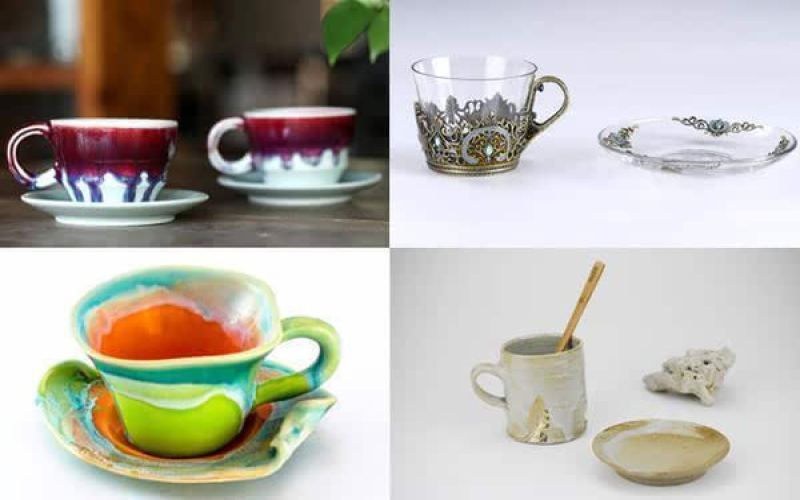
The Complete Guide to Choosing a Coffee Cup: How Material, Rim, Wall Thickness, and Capacity Affect Flavor
Coffee is a widely loved beverage that, beyond its rich aroma, offers numerous benefits to the body. A great cup of coffee depends not only on bean quality and extraction technique—the cup itself is an equally important supporting player. Choose the right cup, and your coffee can present itself at its very best. This article systematically breaks down how to choose a coffee cup from four dimensions: material, rim shape, wall thickness, and capacity. It also reminds you of the small detail of preheating the cup before drinking, helping beginners find the cup that suits them best. [more…]
Pour-Over Kettle Buying Guide: A Detailed Look at Spout Shapes, Material Differences, and Brand Recommendations
The heating up of the single-origin coffee market has driven the diversified development of pour-over equipment. Faced with numerous brands such as Kalita, Hario, and Bonavita, as well as different kettle shapes like fine spout, gooseneck, and flat spout, beginners often find it hard to choose. This article approaches the topic from two major dimensions—spout inner diameter and material characteristics—to systematically sort out the pros and cons and applicable scenarios of various pour-over kettles. Combined with the hands-on experience of several baristas, it also reviews popular models such as the Hario Cloud kettle, Bonavita gooseneck kettle, Kalita copper kettle, and Melitta pour-over kettle. Whether you are a novice just getting into pour-over or an enthusiast seeking advanced equipment, you can find a direction that suits you. The article also includes practical advice from Front Street Coffee. [more…]
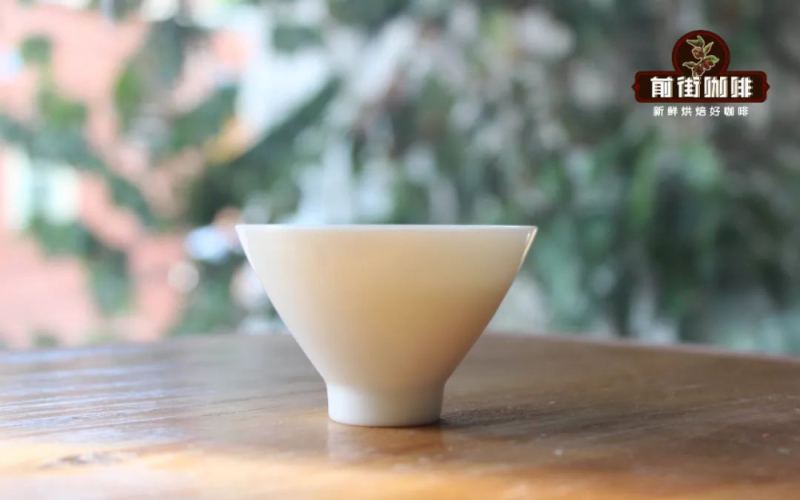
How the shape of the cup rim changes the flavor expression and drinking experience of pour-over coffee
When drinking pour-over coffee, does the shape of the cup really affect the taste? Front Street used three common cup types—wide-mouth, straight-walled, and tapered—to conduct a comparative tasting of the same coffee, and found that aroma, acidity, sweetness, and body all show noticeable differences depending on the rim design. Starting from cup type classification, this article combines the brewing performance of Guatemala Geisha, Brazil Queen's Estate, and Ethiopia Yirgacheffe Gutingding to analyze how different rims guide the flow of coffee liquid in the mouth and temperature changes, and offers cup selection suggestions for acidic, bitter, and aroma-forward coffee beans, helping coffee enthusiasts find a drinking method that suits them better. [more…]

The Complete Guide to Flat White: Origins, Recipe, and Key Differences from Latte and Cappuccino
Flat White, known to more people in China as "Fu Rui Bai," is a milk coffee with a more pronounced coffee flavor and thinner milk foam than a latte. It originated in Oceania, where Australia and New Zealand are still competing over who invented it, and baristas in the two countries also have different preferences when it comes to choosing the espresso base. After Starbucks introduced it to the Chinese market in 2015, this once-obscure drink quickly became popular. So what exactly is the difference between a Flat White, a latte, and a cappuccino? Front Street Coffee will compare them one by one across several dimensions—cup size, milk foam thickness, espresso dosage, and flavor and mouthfeel—to help you sort out the differences among these three classic milk coffees and find the cup that suits you best. [more…]
A Guide to Flat White Milk Foaming Techniques and Italian Blend Bean Selection
Flat White has become a beloved milk coffee drink among coffee enthusiasts in recent years, renowned for its rich coffee flavor and delicate, thin microfoam. This article provides a comprehensive analysis of the controversy surrounding Flat White's origins, its preparation methods, and the recipe variations across different schools of thought, while also offering an in-depth comparison of latte, cappuccino, and Flat White in terms of cup size, foam thickness, and mouthfeel. In addition, we will recommend Front Street Coffee's classic espresso blend beans suitable for making Flat White, helping you easily recreate an authentic Australian-style white coffee at home. Whether you are a beginner just getting into specialty coffee or a seasoned enthusiast pursuing the ultimate flavor, this article will provide you with practical guidance and reference. [more…]

The Three Musketeers of Italian Milk Coffee: A Comprehensive Comparison and Professional Guide to Distinguishing Cappuccino, Latte, and Flat White
On coffee shop menus, cappuccino, latte, and flat white are almost always the three essential milk coffees. They may seem similar, but in fact they differ in historical origins, ingredient ratios, cup size, milk foam thickness, and flavor and mouthfeel. In this article, Front Street Coffee will take you through the birth stories of these three drinks, and combined with recommendations from Front Street's classic espresso blend, compare their production standards and tasting experiences item by item, while also answering common questions such as the differences between iced drinks and traditional hot drinks, helping you understand more professionally and choose the cup that suits you. [more…]

An Introduction to Italian Milk Coffee | What Are the Differences in Flavor, Taste, and Preparation Among Latte, Cappuccino, and Flat White? How to Quickly Identify Types of Milk Coffee?
Latte, cappuccino, and flat white are almost always on the menu at coffee shops as the staple milk coffee categories. This article will help you clearly distinguish the differences between these three milk coffees. Since most people have more or less encountered these three milk coffees, here is a brief introduction to their origins. Modern latte and cappuccino [more…]

How Is Starbucks Flat White Made? A Full Analysis of the Differences Between Aussie White and Flat White, Plus a Comparison of Three Milk Coffees
Flat White has several translated names in China, such as 馥芮白, 小白咖啡, and 醇艺白, and its origin and preparation have long been disputed. Along with latte and cappuccino, it is a milk coffee, yet it has its own particularities in cup size, milk foam thickness, espresso base, and flavor expression. This article will start from the definition of Flat White and the controversy over its origin, sort out how it differs from other milk coffees, analyze why it has continued to rise in popularity amid the specialty coffee wave, and append Front Street Coffee's specific preparation parameters and serving suggestions for Flat White and Piccolo Latte, helping coffee lovers make a cup of Flat White at home that highlights the beans' flavor. [more…]
Pour-Over Coffee Beginner's Guide: A Full Breakdown of Water Temperature, Grind Size, Coffee-to-Water Ratio, and Five Classic Pouring Techniques
The charm of pour-over coffee lies in having every step under your own control, yet many enthusiasts feel that their home brews always fall short of the taste they get at a coffee shop. In this article, Front Street Coffee explains four dimensions—water temperature, grind size, coffee-to-water ratio, and pouring technique—and introduces five classic pour-over methods in detail: the three-stage pour, the stir-and-bloom method, the Japanese drip method, the single-pour method, and the volcano pour. It also analyzes the causes of failed extractions and directions for improvement. Whether you are a beginner just getting started or a veteran looking to refine your technique, you will find practical advice here. [more…]
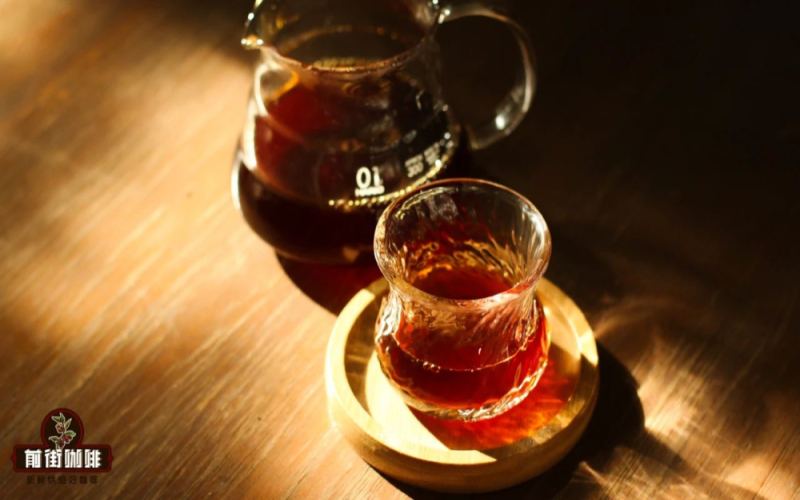
Master the Five Techniques and Four Key Parameters of Pour-Over Coffee: A Quick Guide to Elevate Your Brewing Skills
With the rise of the third wave of coffee, pour-over coffee has attracted many enthusiasts with its ritualistic brewing process. However, many people feel that the flavor they brew at home is not as good as in coffee shops, yet they don't know how to adjust the blooming time, grind setting, pouring method, or water temperature. In this article, Front Street Coffee starts from the four major elements of water temperature, grind coarseness, coffee-to-water ratio, and pouring technique, systematically explaining how to brew a good pot of coffee, and breaks down in detail five practical techniques—three-stage pour, stirred bloom, Japanese drip method, single-pour method, and volcanic pour—to help you consistently reproduce your ideal flavor at home. [more…]
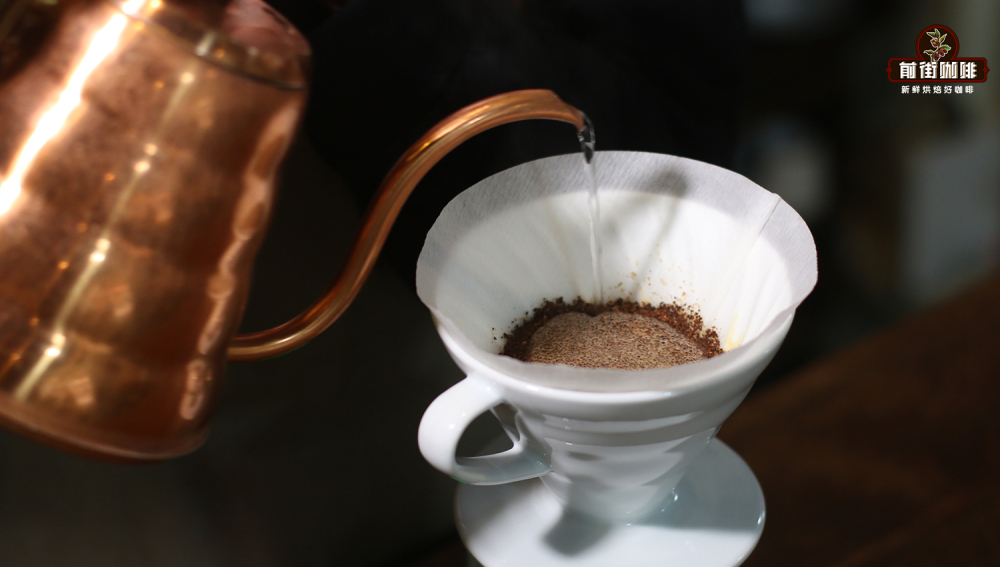
Single-Serve Pour-Over Coffee Method | What Is Gold Cup Extraction Yield? Which Brewing Technique Suits Coffee Beginners? Pros and Cons of the Drip Method, Volcano Pour, and One-Pour Technique
Front Street Coffee encounters customers asking about pour-over coffee every day, whether it's about what pouring technique should be used for pour-over coffee, or how much coffee grounds to use for pour-over coffee. In fact, with the development of coffee culture, more and more people no longer think of coffee as [more…]
The Complete Guide to Pour-Over Coffee: Water Temperature, Grind Size, Coffee-to-Water Ratio, Five Brewing Methods, and Bean Selection Tips
The charm of pour-over coffee lies in the ritual of pouring water by hand, but many people can never reproduce the taste of a coffee shop at home, and the problem often comes down to four variables: water temperature, grind size, coffee-to-water ratio, and pouring technique. In this article, Front Street Coffee takes a practical approach and systematically explains the water temperature ranges for light-to-medium and medium-dark roasted beans, a grinding standard based on an 80% pass rate through a No. 20 sieve, and a recommended 1:15 coffee-to-water ratio. The article also breaks down in detail five pour-over methods: the three-pour method, the European-American stir-and-bloom method, the Japanese drip method, the single-pour method, and the volcanic pour, while offering actionable adjustment methods for blooming and degassing, pouring rhythm, and the causes of failed extraction, helping coffee lovers consistently reproduce a cup of good coffee with clear flavor. [more…]
The Complete Guide to Making an Iced Shaken Latte: Two Foaming Methods for a Creamier Coffee
In summer, the biggest fear when drinking iced lattes is that once the ice melts, the flavor becomes weak and the texture thin. How can you keep an iced latte rich and creamy? Front Street Coffee shares a simple yet crucial little trick—shake it! Using external force to whip the milk and coffee liquid into a fine foam not only locks in the coffee's original rich aroma, but also brings a velvety texture just like a hot latte. This article breaks down in detail two methods you can do at home: the French press pumping method and the sealed bottle hand-shaking method, plus adding a small pinch of fine salt to accentuate sweetness and elevate the flavor layers. Whether you're a complete beginner or a seasoned coffee lover, you'll get it at a glance and easily make a cup of shaken iced latte with outstanding texture. [more…]
How Much Coffee for a Single Serving of Pour-Over? The Golden Cup Extraction Principle and Techniques for Japanese-Style Drip Pouring and Stirring-Bloom Method
When brewing a pour-over coffee at home, how much coffee powder should you use? Starting from the SCA Golden Cup extraction standard, this article sorts out the practical logic of a 1:15 coffee-to-water ratio, explains the reasoning behind 15 grams of coffee powder and 225 grams of brewed coffee for a single serving, and analyzes the effects of water temperature, grind size, and pouring technique on flavor. Taking staged extraction as the main thread, the article details the rhythm control and operational details of blooming and degassing, three-stage pouring, and also compares the applicable scenarios, pros, and cons of the stirring bloom method, the Japanese drip pouring method, the single-pour method, and the volcano surge method, providing coffee enthusiasts with a clear, reusable brewing reference. [more…]
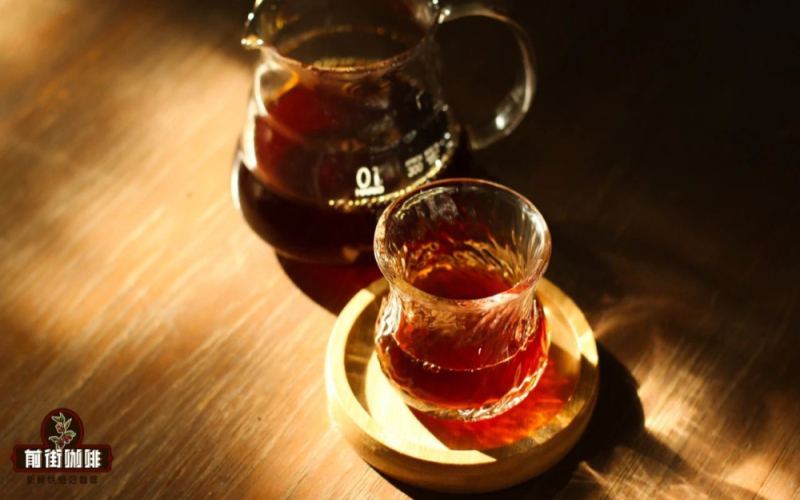
A Beginner's Guide to Pour-Over Coffee: Equipment Recommendations, Brewing Step-by-Step Guide, and Cost-Effective Everyday Beans
The appeal of pour-over coffee lies in the fact that everyone can brew a flavor that is uniquely their own. This article is aimed at home enthusiasts and small coffee shops, and provides a systematic overview of all the equipment needed to get started with pour-over—from gooseneck kettles, drippers, and grinders to filter papers, digital scales, thermometers, and carafes—offering an analysis of the pros and cons of specific brand models along with purchasing advice, and including a complete eight-step brewing tutorial. Finally, it recommends several highly cost-effective Front Street single-origin coffee beans, at a cost of only about six yuan per cup, making them ideal for daily practice and home enjoyment. [more…]
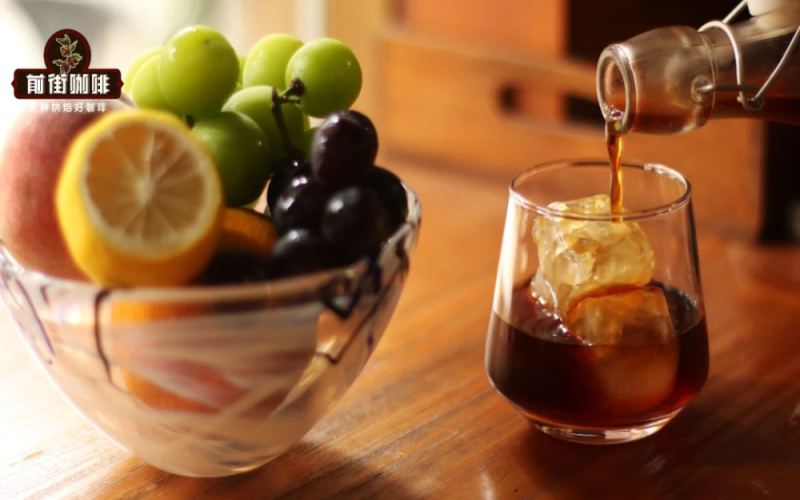
A Bean Selection Guide for Cold Drip and Cold Brew: Can Brazil Cerrado Red Bourbon Handle Iced Coffee?
When making cold brew or iced drip coffee, the choice of beans is often more critical than the technique. This article begins with the essential differences between cold brew and Americano, traces the history of cold brew coffee from Dutch sailors to Starbucks' promotion, and offers Front Street Coffee's recommended cold brew ratios and storage suggestions. It also focuses on the Cerrado region of Brazil, analyzing the flavor performance of semi-washed Red Bourbon and answering the core question of whether it is suitable for making iced coffee. [more…]
SOE Bag-Opening Rhythm: From Roast Date to Peak Flavor
SOE beans need to go through a degassing process from the completion of roasting to the unfolding of flavor. Freshly roasted beans contain a lot of carbon dioxide, so when brewing, the contact between water and coffee grounds can be uneven, and the aroma may also seem closed off; after proper resting, the acidity, sweetness, floral notes, and finish will gradually come together. Therefore, the closer the date does not necessarily mean the cup [more…]